

Our Approach
At Franciscan Health, the early heart attack care initiative promotes recognition of the signs and symptoms of an impending heart attack even when symptoms may be mild. This focus on early heart attack care has placed Franciscan Health among the top-ranking hospitals for successful outcomes in heart attack treatment and recovery.
It's possible to prevent a heart attack through early detection and heart attack treatment, before any damage to the heart occurs. While some heart attacks are sudden and intense, most progress slowly with only mild pain or discomfort. As a result, people affected often aren't aware and wait to seek help, missing the early signs of heart attack that could lead to faster heart attack treatment and better outcomes.
Remember this:
- Even if you're not sure it's a heart attack, have it checked out and tell a doctor about your symptoms. Do not ignore possible early signs of heart attack.
- Minutes matter! Fast action can save lives – maybe your own. Don’t wait more than five minutes to call 911 or your emergency response number if you notice heart attack symptoms.
Know the early symptoms of a heart attack
For both men and women, the earliest heart attack symptom is chest pain and discomfort, while other common mild chest symptoms include pressure, burning, aching or tightness. Women may experience shortness of breath, nausea/vomiting, and back or jaw pain more often than men. Learn more about men's and women's heart attack symptoms on our blog. For many, these early signs of heart attack tend to come in waves before becoming constant and severe, which is why recognizing early signs of heart attack is so important.
Common early symptoms of a heart attack include, but are not limited to:
- Nausea
- Feeling of fullness
- Pain that travels down one or both arms
- Shortness of breath
- Jaw pain
- Back pain
- Fatigue
- Chest pressure, squeezing or discomfort
These heart attack symptoms can be mild or vague, and some people may experience only one or two signs. However, any combination of these early signs of heart attack should be taken seriously. Early recognition and rapid heart attack treatment can limit heart damage and improve survival.
What to do if you think you could be having a heart attack
If you or someone you know is experiencing signs and symptoms of a heart attack, dial 911 immediately and, when necessary, administer CPR.
Emergency medical services (EMS) staff will begin heart attack treatment upon arrival – up to an hour sooner than if a patient arrived at the hospital by car – and are trained to resuscitate an individual whose heart has stopped. Additionally, patients arriving by ambulance typically receive faster treatment, including quicker evaluation for heart attack symptoms and earlier access to life-saving heart attack treatment options such as medications or procedures to restore blood flow.
Quick action during a heart attack is vital because blocked blood flow to the heart muscle can cause rapid, lasting damage. The sooner oxygen-rich blood is restored, the better the chances of survival and preserving heart function.
How we are helping in the community
Franciscan Health emphasizes early heart attack care through community education, fast emergency response and proven treatment protocols. By helping people recognize heart attack symptoms in both men and women and respond immediately, we work to reduce preventable heart damage.
Get connected to care
Whether you are recovering from a heart attack or worried about early warning signs, our team partners with you and your family on a personalized plan for prevention, emergency care and follow-up treatment. Knowing the symptoms, acting without delay and receiving timely, appropriate care are essential to protecting your heart and your life.
If you believe you could be having a heart attack, call 911 immediately so care can begin as soon as possible.
If you are concerned about being at risk, prevention or recovery after a heart attack, start by scheduling an appointment with your primary care provider. Your primary care provider can evaluate you and make referrals to a specialist.
If you do not have a primary care provider, search our provider directory to get started or request an appointment to see a doctor or health professional who specializes in primary care/family medicine and someone will reach out.

Health Risk Assessment
What's your score? Take our HeartAware assessment, and in just minutes, receive a free, confidential analysis of your current risk factors for developing cardiovascular disease.Videos
Our Locations
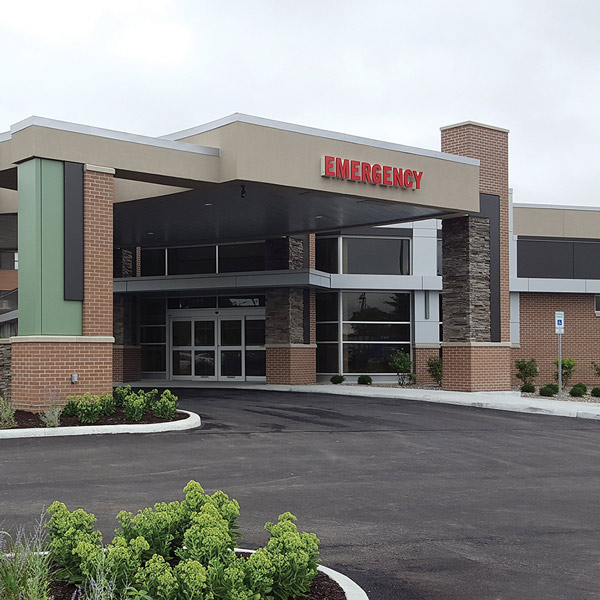
Location Hours
| Monday: | M: | OPEN 24 HOURS |
| Tuesday: | T: | OPEN 24 HOURS |
| Wednesday: | W: | OPEN 24 HOURS |
| Thursday: | Th: | OPEN 24 HOURS |
| Friday: | F: | OPEN 24 HOURS |
| Saturday: | Sa: | OPEN 24 HOURS |
| Sunday: | Su: | OPEN 24 HOURS |
Appointments
Request An Appointment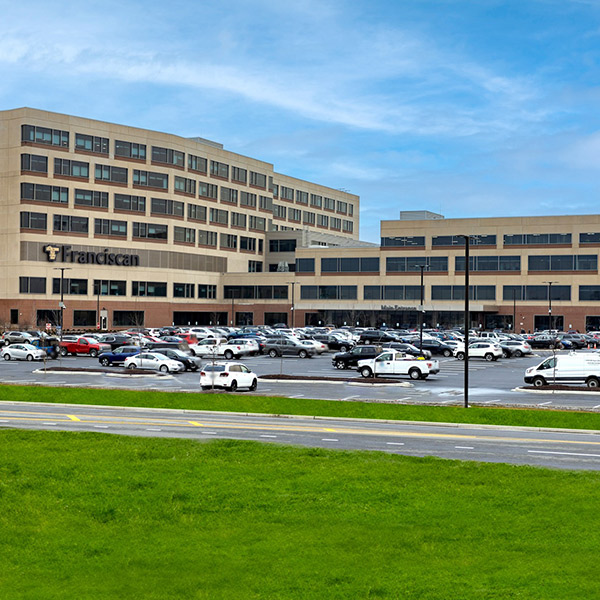
Location Hours
| Monday: | M: | OPEN 24 HOURS |
| Tuesday: | T: | OPEN 24 HOURS |
| Wednesday: | W: | OPEN 24 HOURS |
| Thursday: | Th: | OPEN 24 HOURS |
| Friday: | F: | OPEN 24 HOURS |
| Saturday: | Sa: | OPEN 24 HOURS |
| Sunday: | Su: | OPEN 24 HOURS |
Appointments
Request An Appointment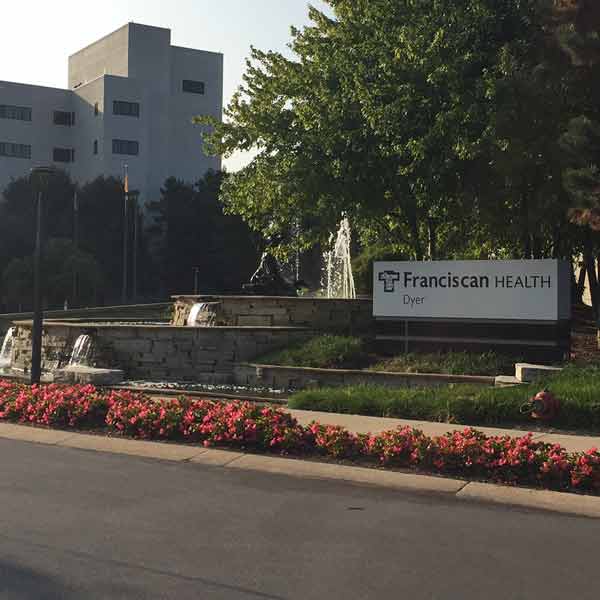
Location Hours
| Monday: | M: | OPEN 24 HOURS |
| Tuesday: | T: | OPEN 24 HOURS |
| Wednesday: | W: | OPEN 24 HOURS |
| Thursday: | Th: | OPEN 24 HOURS |
| Friday: | F: | OPEN 24 HOURS |
| Saturday: | Sa: | OPEN 24 HOURS |
| Sunday: | Su: | OPEN 24 HOURS |
Appointments
Request An Appointment


