

About This Treatment
Franciscan Health specialists will review your child's health history, sports and other activities, and conduct a thorough physical exam. This may include an X-ray of the affected knee. This will help them to make an accurate diagnosis and determine the next steps for treatment.
Osgood-Schlatter disease surgery is rarely needed; however your provider can offer treatment and recommend activity modifications to keep your child as active and pain-free as possible. The condition may go away on its own when the child's growth slows. Until that time, your doctor may recommend a variety of treatments for Osgood-Schlatter disease.
Typical treatment for Osgood-Schlatter disease may include:
- Limiting activity
- Taking nonsteroidal anti-inflammatory medicines like ibuprofen and aspirin to reduce pain and swelling
- Wrapping the knee with an elastic bandage or a neoprene knee sleeve
- Physical therapy to stretch and strengthen thigh and leg muscles
- RICE (rest, ice, compression and elevation)
What is Osgood-Schlatter disease?
Osgood-Schlatter disease occurs from overuse of your knees, which causes pain and inflammation at the tibial tubercle — the bony bump where the patellar (knee cap) tendon attaches to the tibia (shinbone). Osgood-Schlatter disease is common in growing children. It most often affects boys ages 10 to 15. It usually happens during growth when a child's body is changing fast.
Symptoms of Osgood-Schlatter Disease can include:
- Limping (can be worse after jumping activities)
- Soreness below the knee
- Swelling below the knee
Our Locations
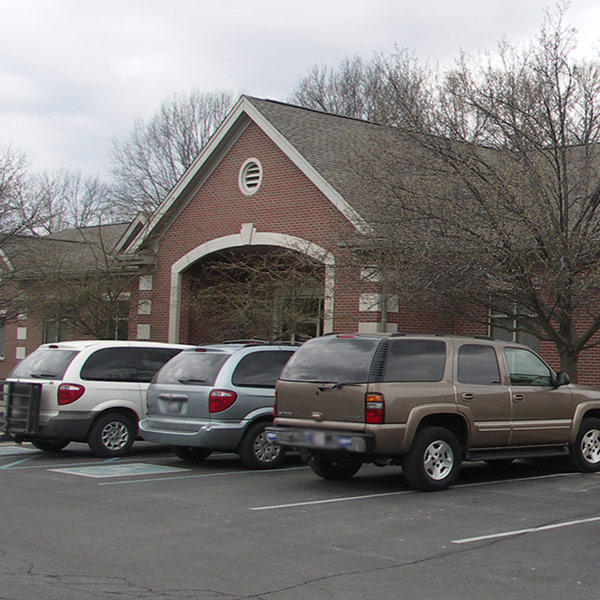

Location Hours
| Monday: | M: | 7:00AM - 5:30PM |
| Tuesday: | T: | 7:00AM - 5:30PM |
| Wednesday: | W: | 7:00AM - 3:30PM |
| Thursday: | Th: | 7:00AM - 5:30PM |
| Friday: | F: | 7:00AM - 5:30PM |
| Saturday: | Sa: | Closed |
| Sunday: | Su: | Closed |
Appointments
Request An Appointment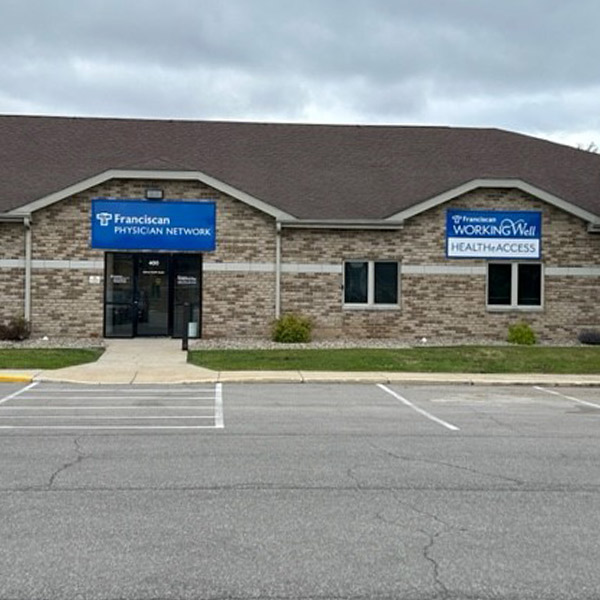
Location Hours
| Monday: | M: | 8:00AM - 4:00PM |
| Tuesday: | T: | 7:00AM - 4:00PM |
| Wednesday: | W: | 7:00AM - 4:00PM |
| Thursday: | Th: | 8:00AM - 4:00PM |
| Friday: | F: | 7:00AM - 1:00PM |
| Saturday: | Sa: | Closed |
| Sunday: | Su: | Closed |
Appointments
Request An Appointment

